Jan
Sister Cities
“There’s life here”: Three months accompanying grassroots organizers in El Papaturro
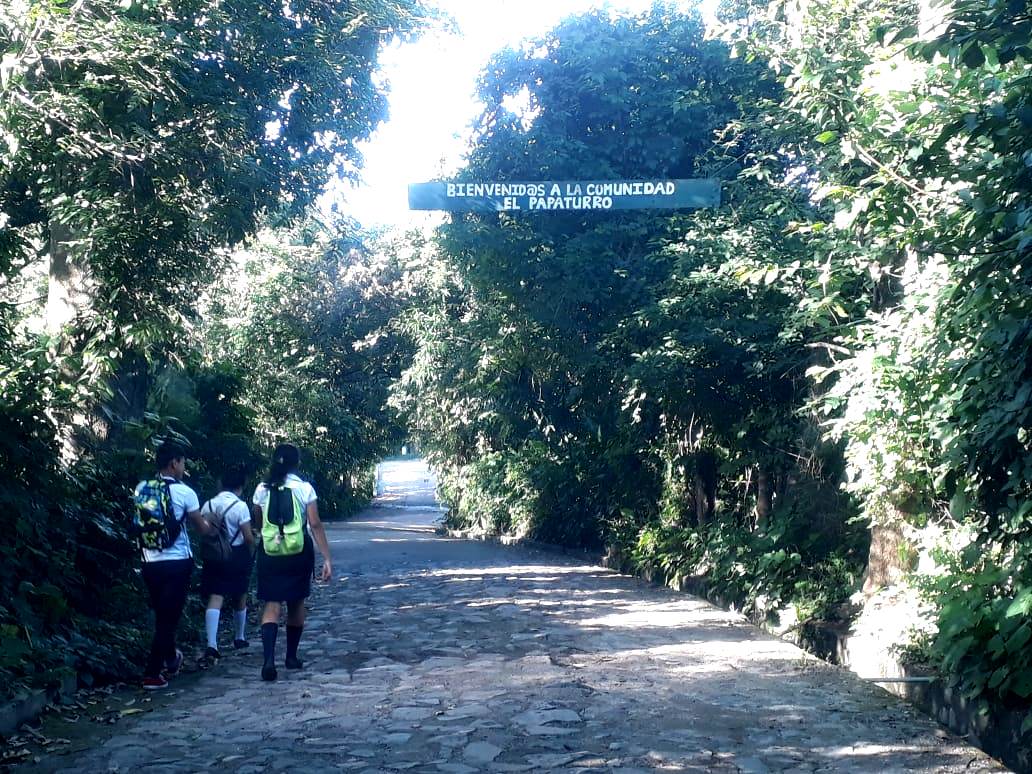
The planning for this three-month stay in El Papaturro with USESSC started just over a year ago, but my connection to this sistered community started before I was born. My mother visited El Papaturro as a college student at the University of Central America, where she conducted and recorded interviews with survivors of human rights abuses. This experience, hearing firsthand from people who had lived through terrible things, running from the army, even giving birth on the run, changed the way she saw the world. When I heard her talk about it 20 years later, then a college student myself, it changed my worldview too.
We both asked ourselves the same question, from two different perspectives: how could all this be happening so close to us, and we had no idea? Her in San Salvador as a child, and me growing up in the United States, a country that funded and trained the Salvadoran military that systematically massacred so many civilians during the civil war.
It wasn’t just the two of us wrestling with this question and wondering how we could help in the aftermath of this violence. We found great joy in the community that arose out of U.S.- El Salvador Sister Cities. I grew up attending meetings and fundraisers with Sister Cities leaders like Bianca Storlazzi and Barbara Moser-Shiable, who also served as adopted grandmothers to me while my mother’s family remained in El Salvador. I visited El Papaturro for the first time when I was 16, and for the second at 25. Both were short visits, and after the second I decided to go back for an extended stay, to spend more time in the community getting a feel for daily life, learning about the history and present-day organizing, and to work on video projects with youth and organizational leadership in the region.
The Weekly Routine
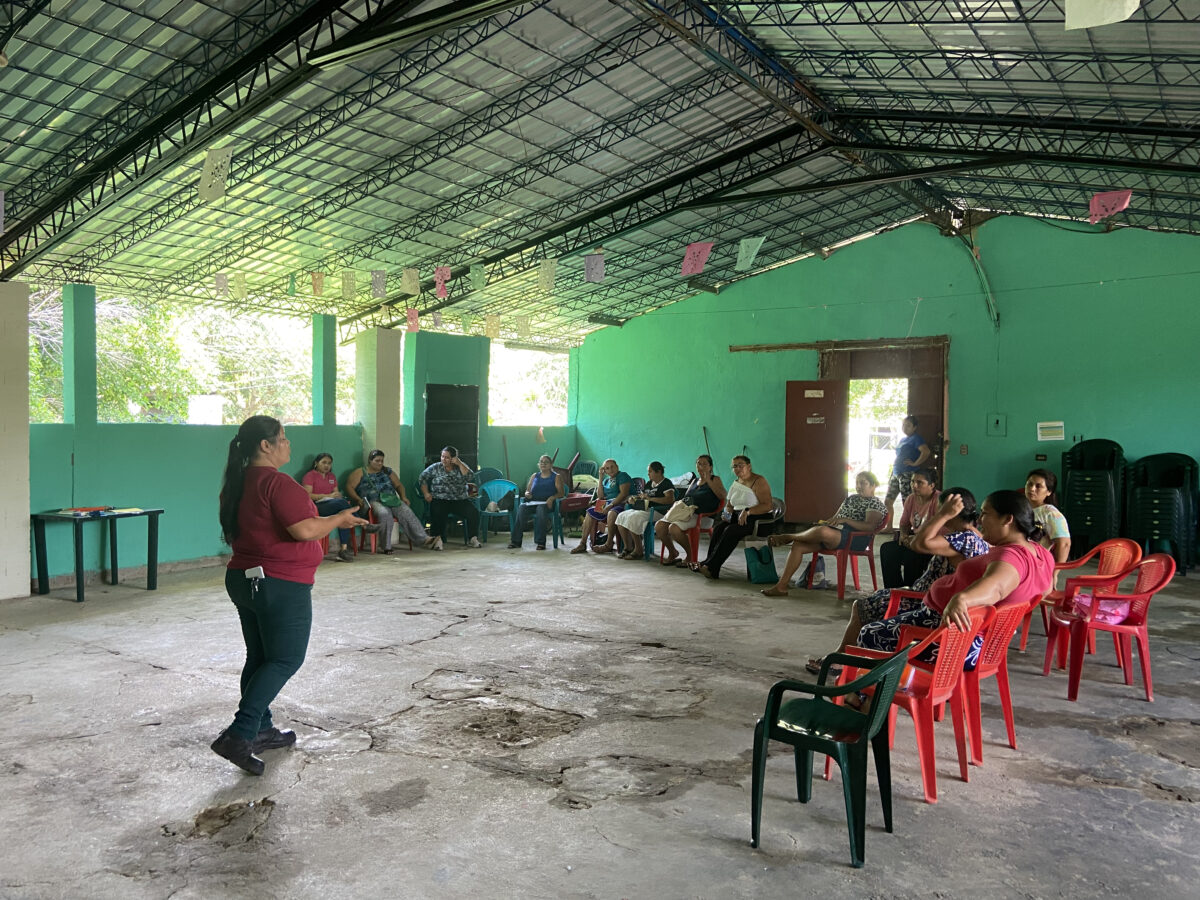
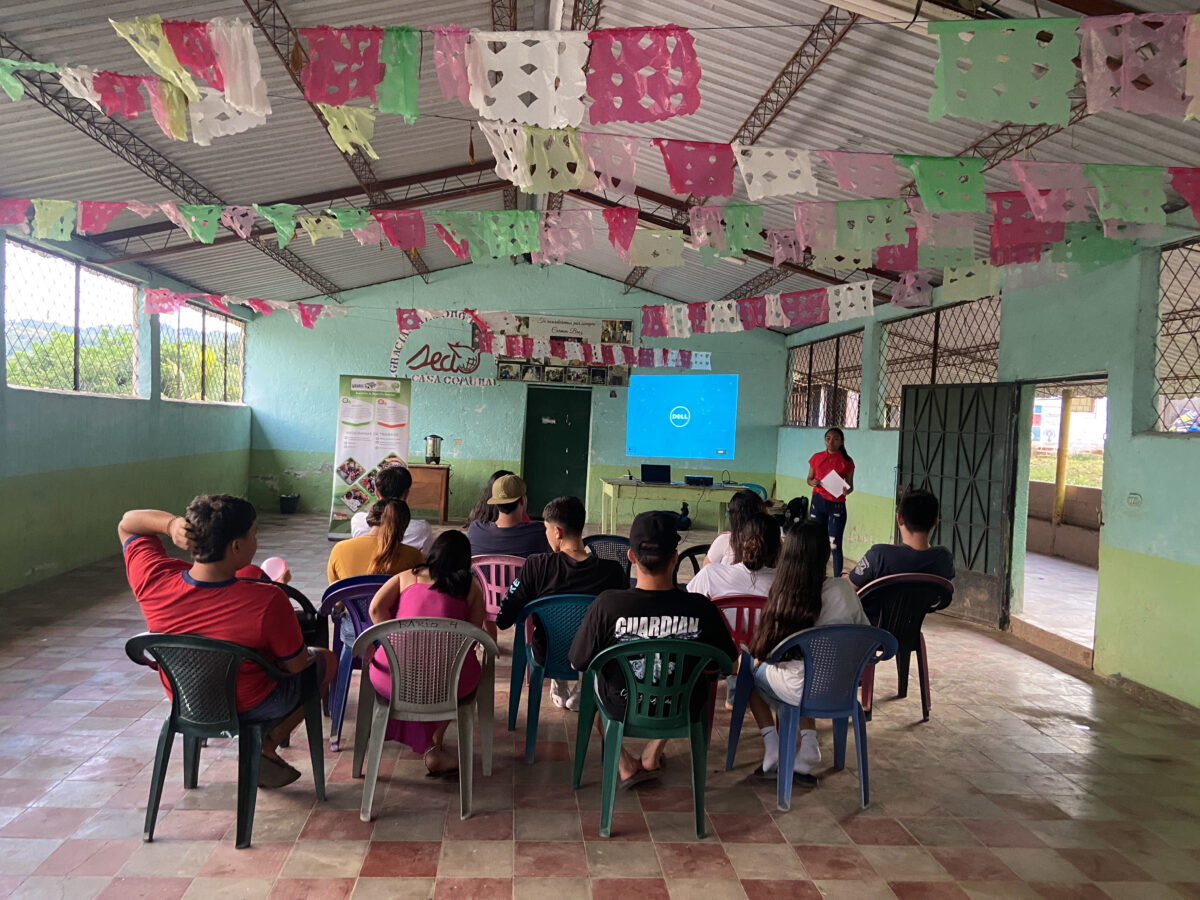
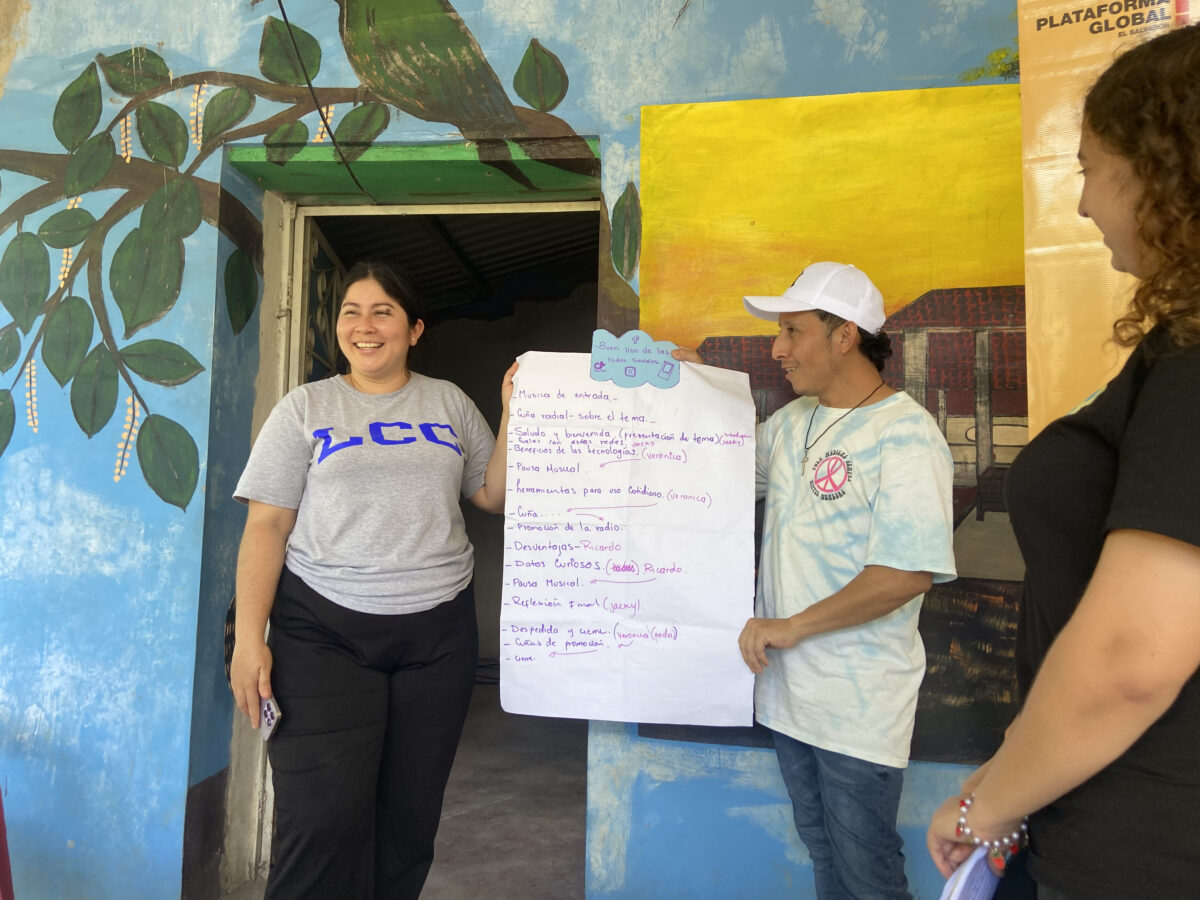
Most weeks during my stay started with two days at the PROGRESO office, the local branch of CRIPDES. There I began by shadowing the organization’s leadership during regular programming like the women’s savings group, where they met once a month to contribute savings, review funds, share current developments in their communities, and take a class on topics varying from human rights to patriarchy. In November I gave a class where we practiced promoting their businesses through photo and video.
Some of the days with PROGRESO would be spent visiting other communities, learning about their unique histories and current realities. I also spent time producing video with PROGRESO leadership, both for social media and to be screened in person at community events.
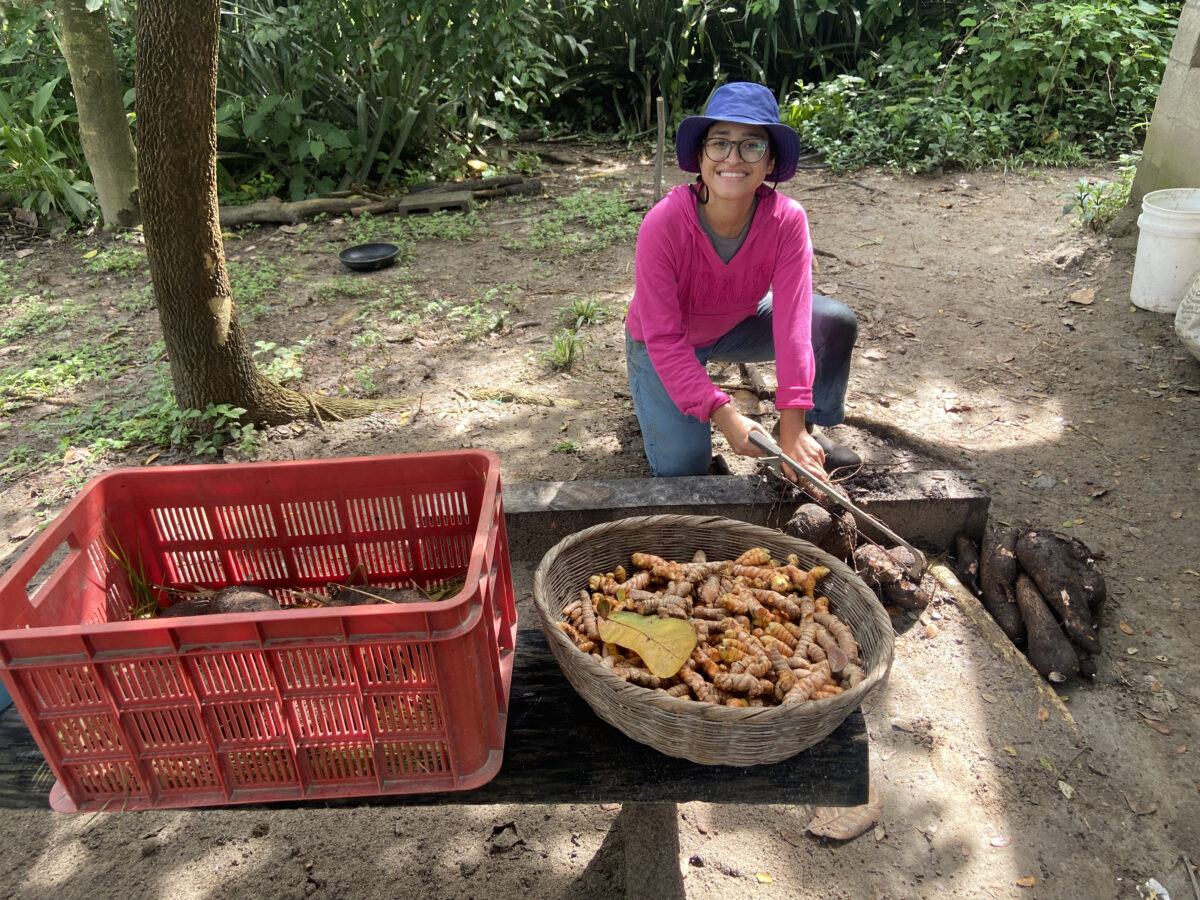
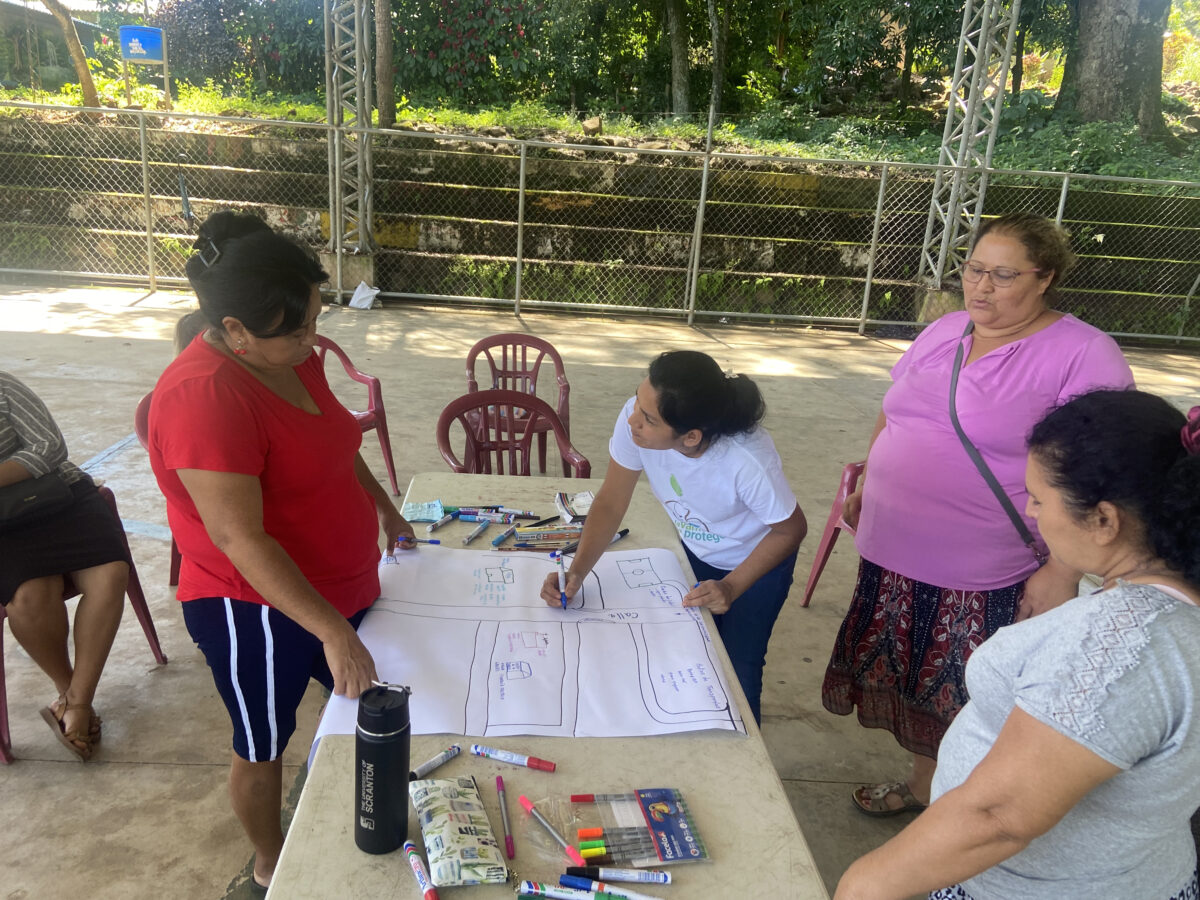
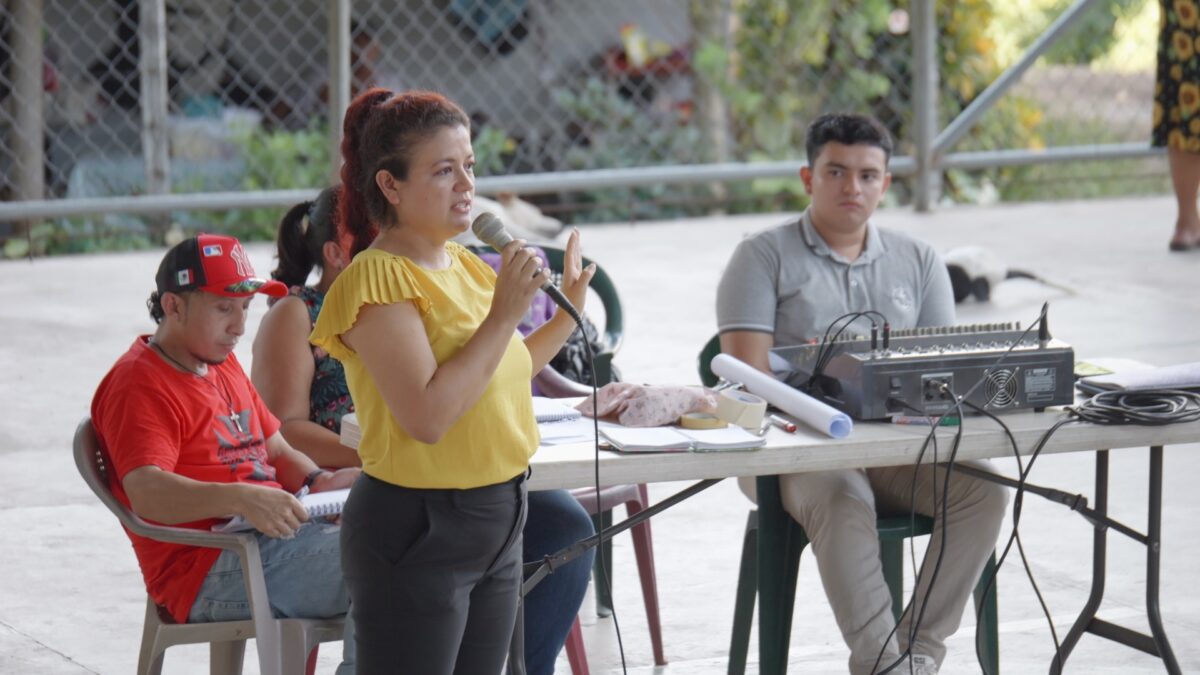
Besides from the two days at PROGRESO, I was free to design my own schedule, and used that time to participate in a variety of activities in the community, including observing the weekly Junta Directiva meetings, working a few days on one of the organic farms, leading video and photo workshops for all ages, and attending all the regular community programs at least once.
Here’s a list of everything going on in the community of El Papaturro on a weekly basis – all activities free to community-members. Except for the items marked with an asterisk, all these programs are organized directly by the Junta Directiva.
For adults:
- *Organic agriculture school
For kids:
- Bracelet-making class
- Soccer school
- Storytelling corner (2x a week)
- Theatre group
For both:
- Sunday soccer game
- *Bible study/social analysis group
- Church service (2x week)
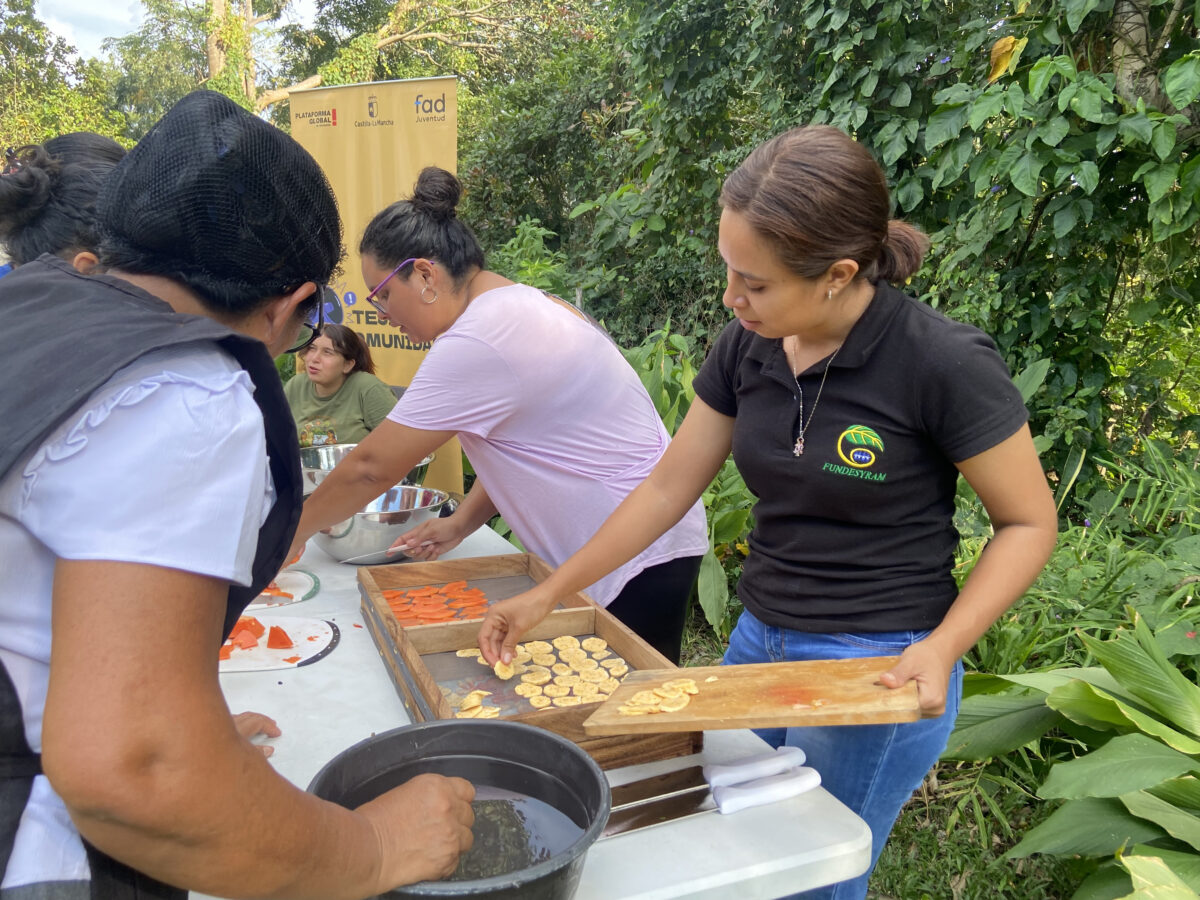
In addition, there were often additional events organized either by the Junta Directiva and local NGOs, like a trip to a theatre festival or a fruit dehydration class. Sometimes we’d have a community dinner with a visiting delegation, or a community project like cleaning the community building or the main street. I also had time to spend time with my host family and get to know other folks in the community.
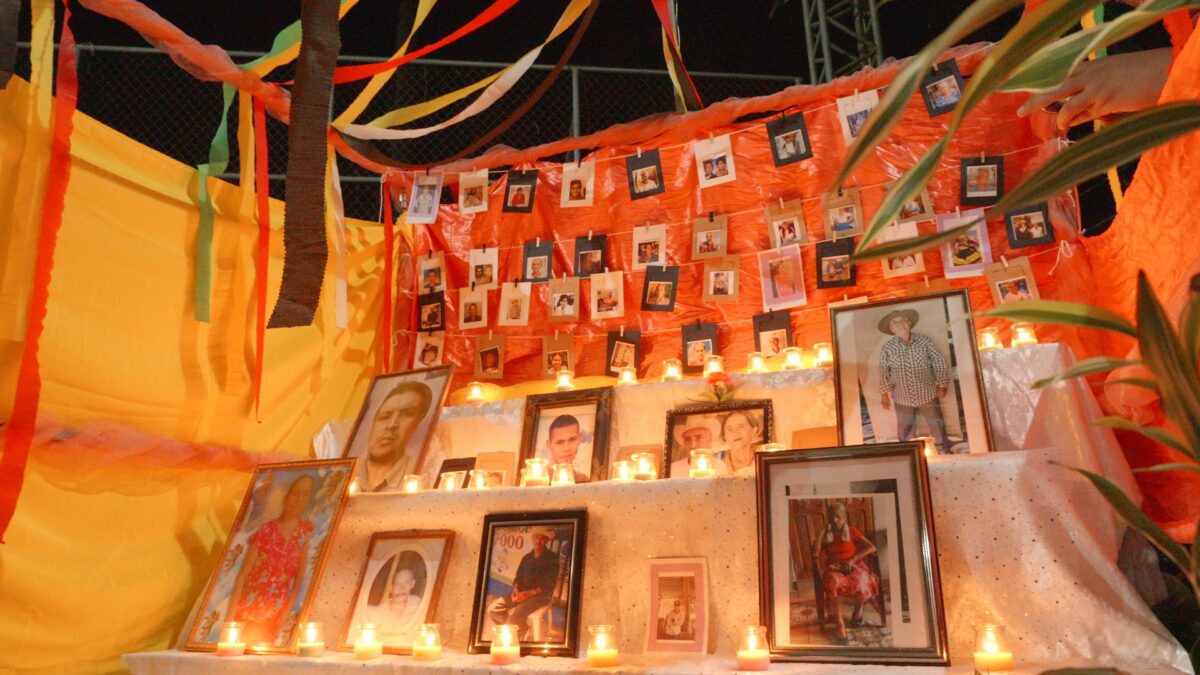
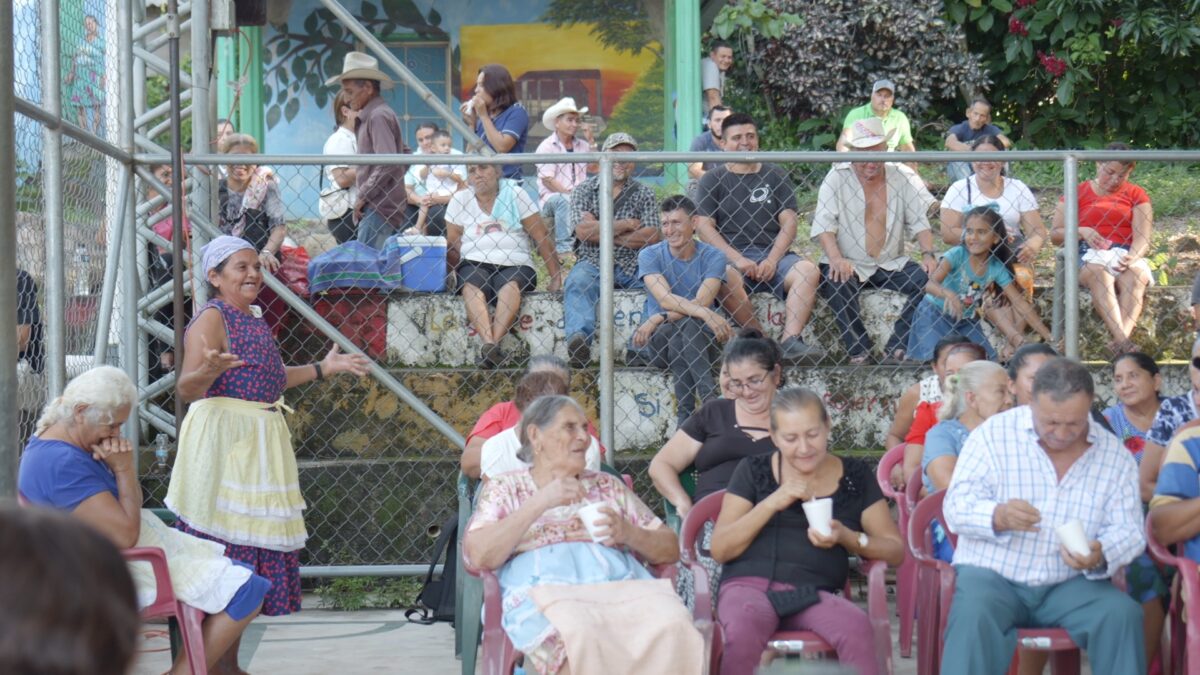
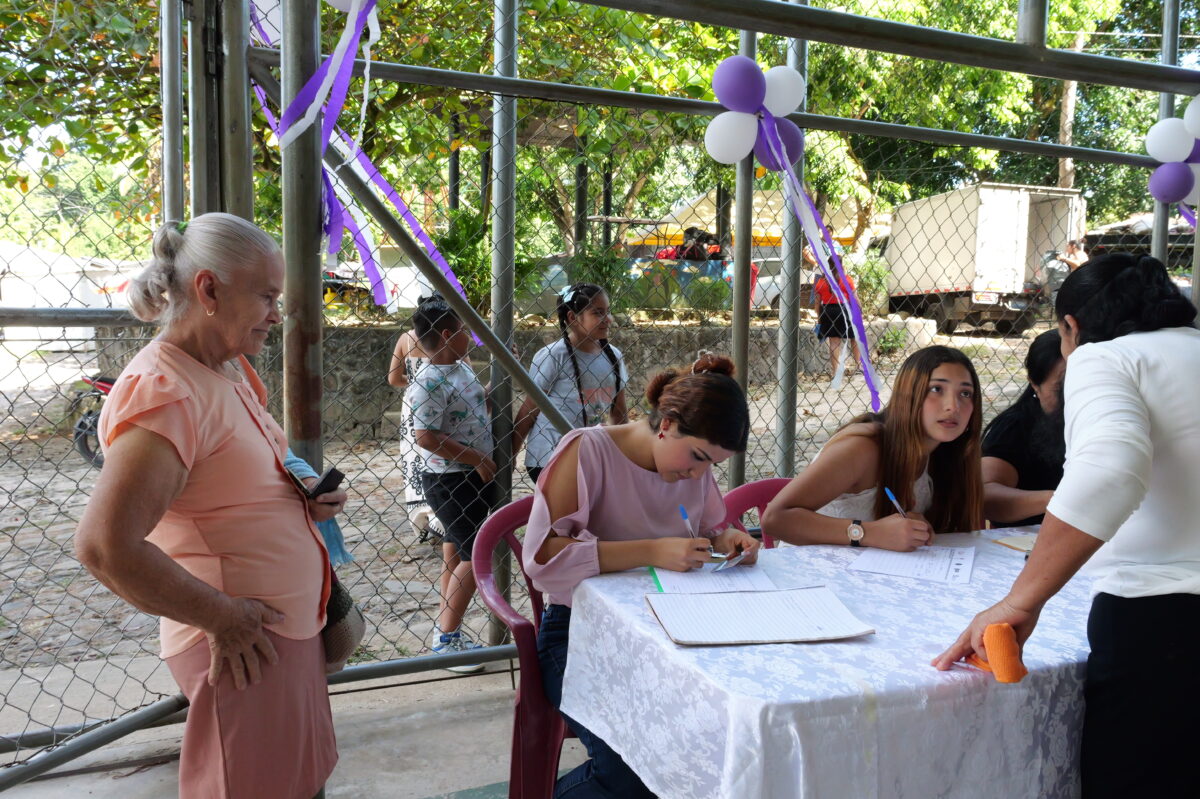
During all these activities, I was hugely comforted by the way community-members welcomed me in, as if I had lived there my whole life, and even invited me over for dinner to hear about my experiences and tell me about their lives and dreams for the future. I was moved by how much of their organizing was interpersonal, driven by each person’s knowledge of and care for their neighbours. When someone was grieving, people showed up to sit and pray with them, and the Junta Directiva organized a collection of funds to help with funeral expenses. When it was time for the repopulation anniversary fiesta, dozens of people pitched in hours of their time planning, making food, setting up, serving, hosting, cleaning, and more, to ensure a week of events the whole community could enjoy.
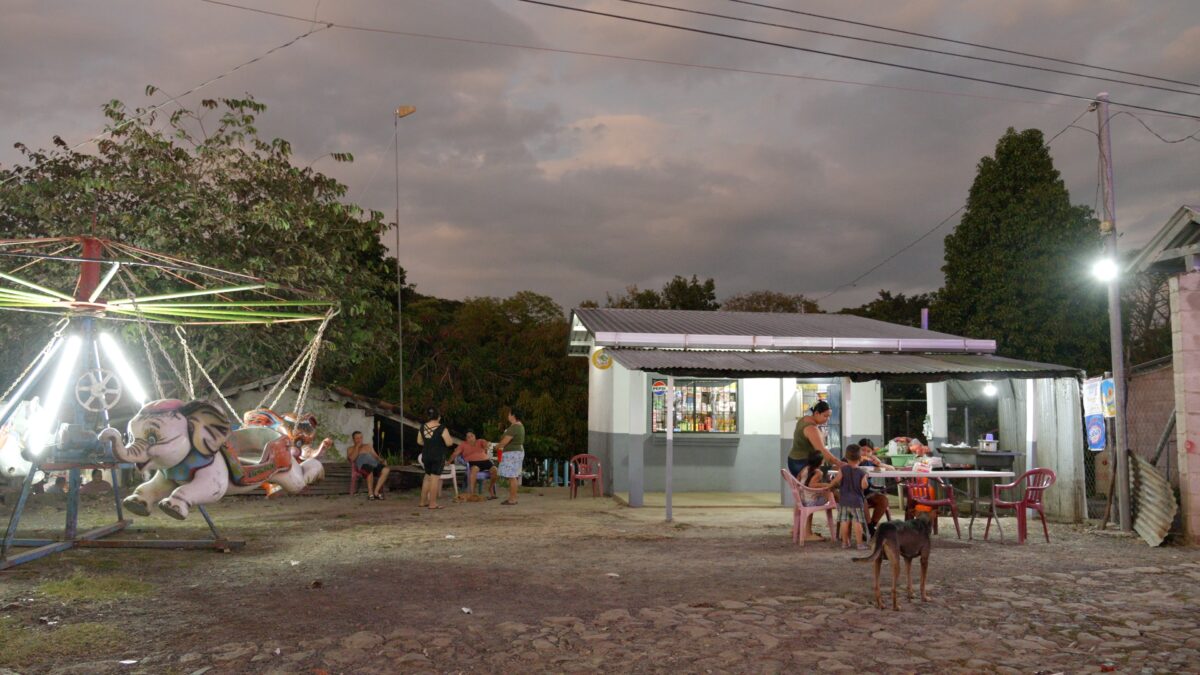
In these three months in El Papaturro, I witnessed a vibrant and active community, rich in both natural beauty and a unique spirit of togetherness. The experience of learning from historic, current, and future leaders imparted on me a new sense of appreciation for the fruits of organized struggle: getting to see a just and democratic community, where children can play freely and safely, breathe clean air and drink clean water, have a high quality education close by, and where leaders do not hold excess power, and instead facilitate the community in working together towards shared goals. I felt uniquely surrounded by life, from the lush green surroundings, to the fertile land, to the joy and energy of children playing together in the main square, with parents and loved ones close by, some even watching as they attended the meetings of the Junta Directiva.
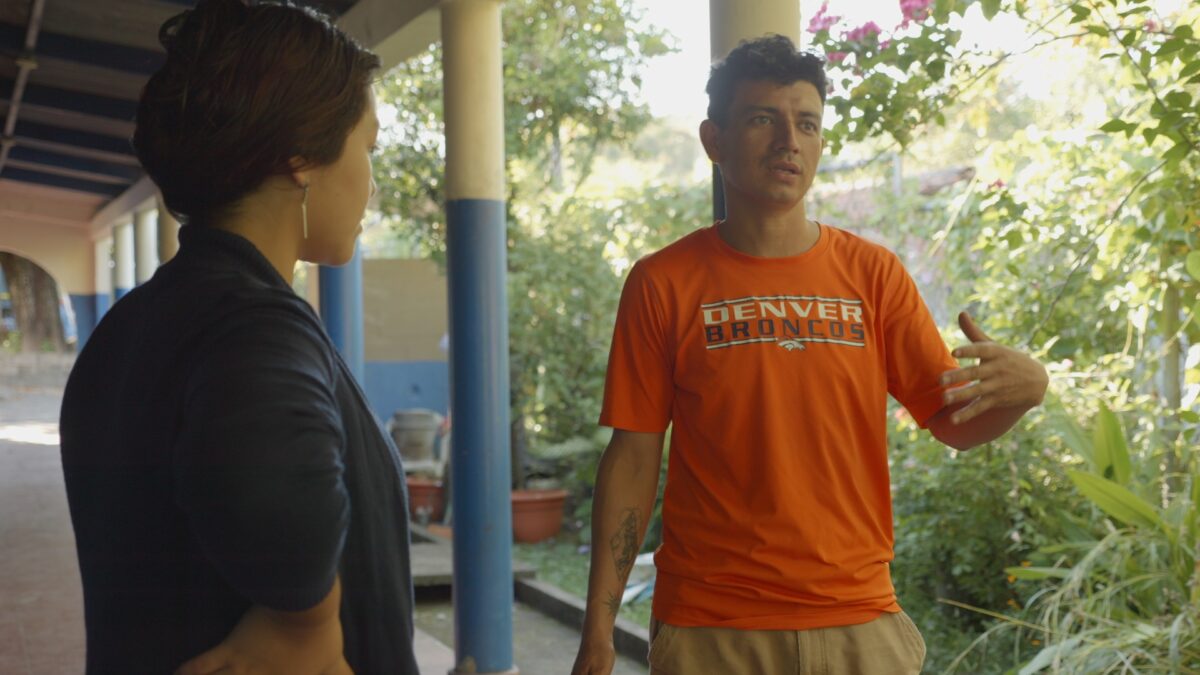
Moving forward, together
I came back with a notable difference in the doom and gloom that had hung over my arrival in El Salvador. I had arrived disheartened with the situation of the world, as we witness increased authoritarianism, watch our government continue to fund human rights abuses at home and abroad, and grapple with the worsening consequences of climate change. I feel differently now not because facts of the global context are different, but because I had the opportunity to see what an organized, collaborative and civic-minded group of people can do together. They can achieve a community where the majority of families have the right to their own land, to their own houses, to potable water. A community of families rich in their understanding of history, with reverence and respect for their elders, and enthusiasm from the youth, channelled towards the common good.
Although there are needs and problems, like expensive updates to the water system, evasive solutions for accumulating trash and much-needed road repairs, and some difficulty motivating new generations to continue the organizing work, there is also an attitude that these problems are solvable, and we can work together to solve them. When the dirt road filled with holes after a big storm, community members banded together to fix it in one afternoon. I saw the Junta Directiva resolve interpersonal conflicts by listening to both sides and coming to a common consensus, in an effort to avoid involving the police, knowing the dangers that involvement with the justice system would bring for the youth in the community. Even the children were organized – they were able to make a plan to go to the swimming hole, find adults to supervise and wrangle 15 excited kids, and get them all to the same meeting place with less than 12 hours notice.
This is how a lot of things happened – from one week to the next, the Junta Directiva was able to put together plans and notify those involved, much more quickly than I was used to organizing anything. The Junta Directiva, a group of people working jobs, often also parenting and studying all at once, were capable of keeping the clinic and the water system running, organizing the week’s worth of activities, and addressing all the other community issues brought to them in that time. Even though it was difficult, I witnessed both an acknowledgement of the issues faced, along with a relentless refusal to give up or to see the worst in people.
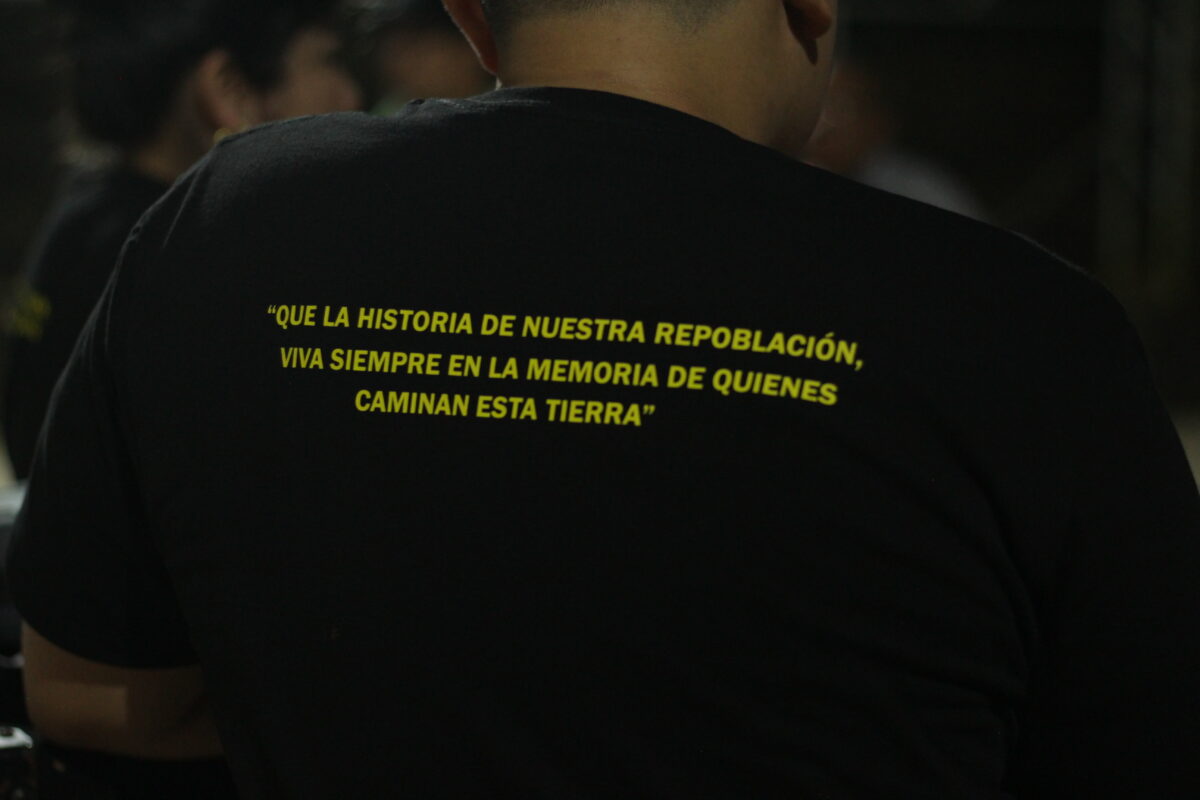
Recordar para no olvidar
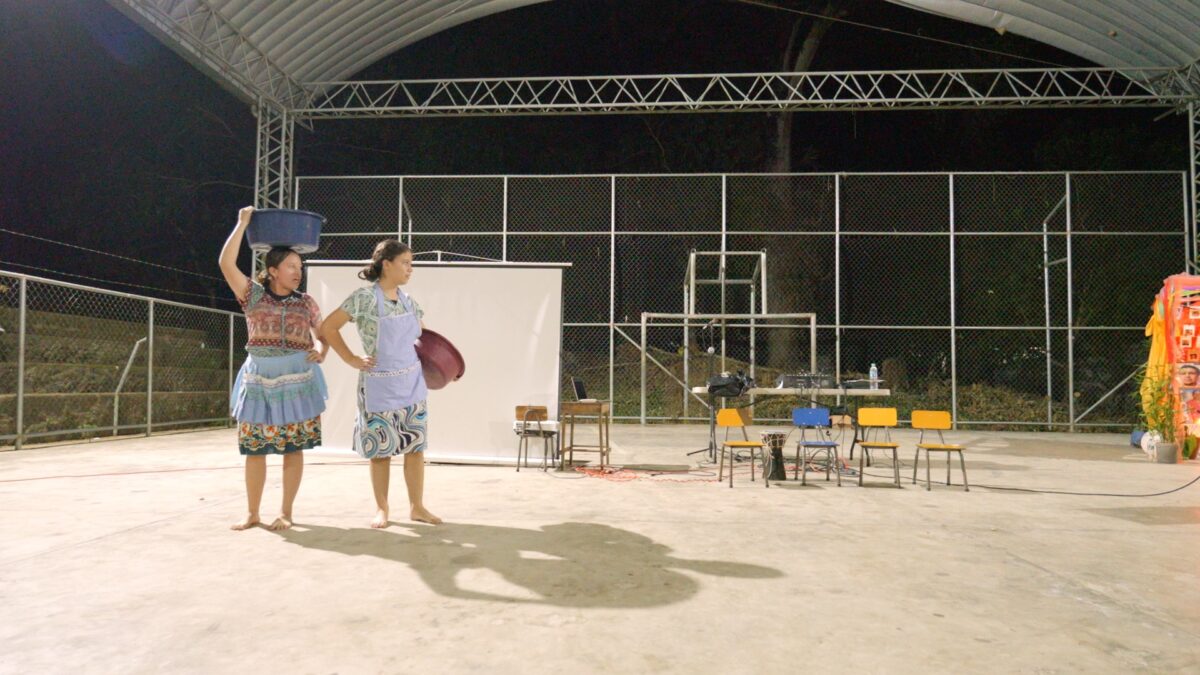
One of the most impactful parts of the experience was engaging with the youth theatre group, led by Milton, a 33 year-old farmer and actor born and raised in El Papaturro. He was part of a theatre group in Suchitoto for years before the group lost funding, along with two other members of the community. He now applies his experience to lead a group of 10-15 youth in the community in a theatre group that meets weekly. I attended several of their meetings, played theatre games with them and watched as they worked together to construct the 10-minute play they performed at the repopulation celebration, which premiered to huge applause, along with laughs and stunned silence. The play tells the story of organizing in the community through three vignettes – one, at the founding of the community, where a group comes together to maintain the road, singing a refrain, “trabajo comunitario,” “estamos organizados.”
Then, two adults reflect on the youth committee, which during its heyday in the 2010s, organized movie nights, trash cleanups, trips to the beach, and even built the first playground in the community. One of the actors looks out into the audience, and tells them, “This, and exactly this, is what happened in the community just years ago.” Another actor throws up her hands. “And the youth? What happened to them?”
A new vignette starts – youth walk around looking at their phones, throwing trash on the ground. They suddenly fall down, and then wake up among the trash they’ve discarded. The actors line up, point at the audience, and in unison say “You are the ones responsible.”
We watch two youth struggle to organize a trash pickup, but in the end succeed in their first organizing effort. The show ends with the group lined up again, this time with fists in the air: “Que viva las comunidades organizadas!” Que vive la comunidad El Papaturro!”
The play encapsulated a lot of what I had experienced in the three months there. That there’s lots to do, that the struggle is constant, but in the midst of that, there is also so much joy and laughter. It helped me to see community organizing not as the work of just “activists” or “advocates,” labels many don’t feel qualified to take on, but of everyday community members, confronting shared problems with shared solutions. The experience taught me to not see organizing as something you do outside of your regular life, but instead the way in which you live your life every day- in solidarity and interdependence with those around you.
Que vive la organización comunitaria!
I’ve been working on a short documentary about the history of the sistering relationship between Lawrence and El Papaturro, and something that everyone I interviewed had in common is that grassroots organizing became an integral part of their lives, enriching their life experience through the relationships they built and the meaningful change they were able to accomplish. I hope more people can have experiences like this – both for their own benefit and for the benefit of our communities.
The work of Sister Cities has undergone many changes in the last 35 years – long enough for me to be born into and grow up in a sistered community. We have new challenges to face now, in both the U.S. and El Salvador, and we have so much to gain from confronting these challenges together. Though the context has changed, the deep sense of community, the way that organizing is so deeply embedded in the culture, and the inter-generational commitment to the betterment of our shared conditions still exist in El Papaturro with a power evident to each visitor. This speaks to the reason to continue these networks of solidarity – to better understand our shared struggles and learn to confront them collaboratively, so we can walk into the future hand in hand.
I would greatly recommend this opportunity for anyone looking for a fresh perspective on community organizing, or to better understand their own role inside of their community. There are so many ways to contribute, and so much to learn. To find out more about how you can embark on a similar experience, visit the internships webpage and contact sistercities.elsalvador@gmail.com.